

Steel is a type of alloy that is commonly used for making knives. It is a combination of iron and carbon, with the addition of other elements such as chromium, vanadium, and molybdenum to improve its properties. The type of steel used for making knives can vary depending on the desired characteristics and intended use of the knife.
Table of Contents
What’s the best steel for making knives
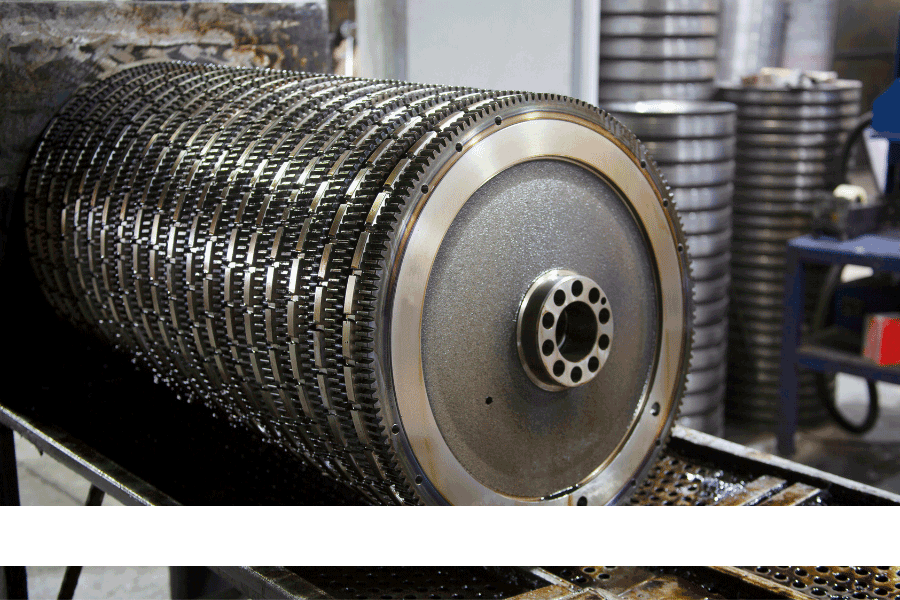
The best steel for making knives depends on the intended use of the knife and personal preferences of the maker or user. Here are some common types of steel used for making knives include:
Stainless steel
Stainless steel is a popular choice for knife making because it is resistant to corrosion, rust, and staining. It is relatively easy to sharpen and maintain, and it can be made very hard and durable.
Pros of Stainless steel
- Resistant to corrosion, rust, and staining
- Relatively easy to sharpen and maintain
- Can be made very hard and durable
- Generally less expensive than high carbon steel
Cons of Stainless steel
- Typically not as hard as high carbon steel, which can make it less effective for certain tasks, such as cutting through tough materials
- Can be more brittle than high carbon steel, which can make it more prone to chipping and breaking under heavy use
High carbon steel
High carbon steel is a type of steel that contains a higher percentage of carbon than regular steel. It can be hardened to a very high degree and holds a sharp edge well, making it a good choice for knives that need to maintain a sharp edge over time.
Pros of High carbon steel
- Can be hardened to a very high degree and holds a sharp edge well
- Generally tougher and more durable than stainless steel
- Typically better at cutting through tough materials
- Can be easier to sharpen than stainless steel
Cons of High carbon steel
- More prone to corrosion and staining than stainless steel
- Can require more maintenance and care to prevent rust and corrosion
- More expensive than stainless steel
- Can be more difficult to work with due to its hardness
Damascus steel
Damascus steel is a type of steel that is made by folding and layering different types of steel together. The result is a blade that is both durable and beautiful, with a unique pattern that is created by the layering process.
Here are some general pros and cons of Damascus steel:
Pros of Damascus steel
- Unique and attractive pattern: Damascus steel is known for its distinctive wavy pattern, which is created by the process of layering and forging different types of steel together. This makes it an attractive option for knife collectors and enthusiasts.
- Good balance of toughness and hardness: The process of layering and forging different types of steel together can create a blade that has a good balance of toughness and hardness, making it effective for a wide range of cutting tasks.
- High level of craftsmanship: Making a Damascus steel blade requires a high level of skill and craftsmanship, which can add to its perceived value and desirability.
- Can be very sharp: Damascus steel can be sharpened to a very fine edge, which can make it effective for cutting tasks that require precision and control.
Cons of Damascus steel
- Can be expensive: The process of making Damascus steel is time-consuming and requires a high level of skill, which can make it more expensive than other types of steel.
- Can be difficult to work with: Damascus steel can be more difficult to work with than other types of steel, which can make it challenging for knife makers and manufacturers to produce consistent results.
- Not always practical: The distinctive pattern of Damascus steel can be visually striking, but it may not always be practical for certain users or applications where a more utilitarian design is preferred.
- Can be prone to rust: Depending on the specific composition of the steel, Damascus blades may be more prone to rust and corrosion than other types of steel. Proper maintenance and care is important to prevent rust and extend the life of the blade.
It’s worth noting that the specific properties of Damascus steel can vary depending on the specific composition and construction methods used, as well as the heat treatment and other factors. Additionally, the choice of steel for a knife will depend on the intended use of the knife, as well as the personal preferences of the user.
VG-10 steel
VG-10 steel is a high-quality Japanese steel that is known for its durability and ability to hold a sharp edge. It is often used in high-end kitchen knives and is considered one of the best types of steel for making knives.
VG-10 steel is a high-quality steel alloy that is commonly used in the production of high-end kitchen knives and other types of cutting tools. Here are some general pros and cons of VG-10 steel:
Pros of VG-10 steel
- Excellent edge retention: VG-10 steel has a high level of hardness and is capable of holding a very sharp edge for long periods of time, which can make it effective for precision cutting tasks.
- Good corrosion resistance: VG-10 steel contains a significant amount of chromium, which makes it highly resistant to corrosion and rust.
- Easy to sharpen: Despite its high level of hardness, VG-10 steel is relatively easy to sharpen, which can make it an attractive option for those who prefer to maintain their own knives.
- Good balance of toughness and hardness: VG-10 steel has a good balance of toughness and hardness, which can make it effective for a wide range of cutting tasks.
- Attractive appearance: VG-10 steel has a polished surface that gives it an attractive and distinctive appearance, which can add to its perceived value and desirability.
Cons of VG-10 steel
- Can be expensive: VG-10 steel is a high-quality steel alloy that is often used in the production of high-end knives, which can make it more expensive than other types of steel.
- Can be difficult to work with: VG-10 steel is a hard and brittle steel, which can make it difficult to work with and shape into the desired form.
- Can be prone to chipping: Due to its high level of hardness, VG-10 steel can be prone to chipping and breaking under heavy use or impact.
- Can be too hard for certain tasks: The high level of hardness of VG-10 steel can make it less effective for certain cutting tasks that require a more flexible blade.
It’s worth noting that the specific properties of VG-10 steel can vary depending on the specific composition and construction methods used, as well as the heat treatment and other factors. Additionally, the choice of steel for a knife will depend on the intended use of the knife, as well as the personal preferences of the user.
D2 steel
D2 steel is a high-carbon, high-chromium steel that is known for its toughness and resistance to wear. It is often used in hunting and outdoor knives because it can withstand hard use and abuse.
D2 steel is a high-carbon, high-chromium tool steel that is commonly used in the production of high-end knives, cutting tools, and other industrial applications. Here are some general pros and cons of D2 steel:
Pros of D2 steel
- Excellent edge retention: D2 steel has a high level of hardness and wear resistance, which can make it effective for cutting tasks that require a very sharp edge.
- Good corrosion resistance: D2 steel contains a significant amount of chromium, which makes it highly resistant to corrosion and rust.
- Good toughness: D2 steel has a good balance of toughness and hardness, which can make it effective for a wide range of cutting tasks and make it less prone to chipping or breaking.
- Easy to sharpen: Despite its high level of hardness, D2 steel is relatively easy to sharpen compared to other high-end steels, which can make it an attractive option for those who prefer to maintain their own knives.
- Versatile: D2 steel is versatile and can be used for a wide range of applications, including industrial machinery and cutting tools in addition to knives.
Cons of D2 steel
- Can be expensive: D2 steel is a high-quality steel that is often used in the production of high-end knives and other cutting tools, which can make it more expensive than other types of steel.
- Can be difficult to work with: D2 steel is a hard and brittle steel, which can make it difficult to work with and shape into the desired form.
- Susceptible to rust: Although D2 steel has good corrosion resistance, it is not completely immune to rust and may require proper care and maintenance to avoid damage over time.
- Can be too hard for certain tasks: The high level of hardness of D2 steel can make it less effective for certain cutting tasks that require a more flexible blade.
It’s worth noting that the specific properties of D2 steel can vary depending on the specific composition and construction methods used, as well as the heat treatment and other factors. Additionally, the choice of steel for a knife will depend on the intended use of the knife, as well as the personal preferences of the user.
1095 steel
1095 is a high-carbon steel that is commonly used for making traditional, hard-use knives. It is very tough and can hold a razor-sharp edge, but it is also more prone to rust and staining than stainless steel.
1095 steel is a high-carbon, non-stainless steel that is commonly used in the production of knives, machetes, and other cutting tools. Here are some general pros and cons of 1095 steel:
Pros of 1095 steel
- Excellent edge retention: 1095 steel has a high level of hardness and carbon content, which makes it an excellent choice for cutting tools that require a sharp edge and can hold that edge over time.
- Easy to sharpen: Although 1095 steel is a hard steel, it is relatively easy to sharpen compared to some other high-end steels, which makes it an attractive option for those who prefer to maintain their own knives.
- Affordable: 1095 steel is one of the more affordable types of high-carbon steel available, which can make it an attractive option for those on a budget who want a high-quality cutting tool.
- Tough: 1095 steel has good toughness and can withstand heavy use without chipping or breaking.
- Good for outdoor use: Due to its excellent edge retention, toughness, and ease of sharpening, 1095 steel is a popular choice for outdoor and survival knives.
Cons of 1095 steel
- Susceptible to rust: 1095 steel is not stainless and is prone to rust and corrosion, which means it may require regular maintenance and care to avoid damage over time.
- Can be brittle: 1095 steel is a hard and brittle steel, which means it can be more susceptible to breaking under stress or impact than some other types of steel.
- Requires proper heat treatment: To achieve optimal performance, 1095 steel requires proper heat treatment during the manufacturing process, which can be difficult to achieve for some knife makers.
It’s worth noting that the specific properties of 1095 steel can vary depending on the specific composition and construction methods used, as well as the heat treatment and other factors. Additionally, the choice of steel for a knife will depend on the intended use of the knife, as well as the personal preferences of the user.
AUS-8 steel
AUS-8 is a mid-range Japanese stainless steel that is often used for making outdoor and survival knives. It is relatively easy to sharpen and maintain, but it is not as durable as some of the higher-end steels.
AUS-8 steel is a popular stainless steel used in the production of knives and other cutting tools. Here are some general pros and cons of AUS-8 steel:
Pros of AUS-8 steel
- Corrosion-resistant: AUS-8 steel is a stainless steel that is highly resistant to rust and corrosion, which makes it a popular choice for outdoor and marine environments.
- Good edge retention: AUS-8 steel has a good balance of hardness and toughness, which allows it to hold a sharp edge well and perform well over time.
- Easy to sharpen: AUS-8 steel is relatively easy to sharpen, which makes it an attractive option for those who prefer to maintain their own knives.
- Affordable: AUS-8 steel is one of the more affordable types of stainless steel available, which can make it an attractive option for those on a budget who want a high-quality cutting tool.
Cons of AUS-8 steel
- Less wear-resistant: AUS-8 steel is not as wear-resistant as some other high-end steels, which means it may not hold up as well under heavy use or abuse.
- Can be brittle: AUS-8 steel can be more brittle than some other types of steel, which means it may be more susceptible to chipping or breaking under stress or impact.
- May require frequent sharpening: While AUS-8 steel has good edge retention, it may require more frequent sharpening than some other high-end steels to maintain optimal performance.
- May not hold up as well in extreme environments: While AUS-8 steel is corrosion-resistant, it may not hold up as well in extreme environments as some other types of steel, such as those found in extreme cold or heat.
It’s worth noting that the specific properties of AUS-8 steel can vary depending on the specific composition and construction methods used, as well as the heat treatment and other factors. Additionally, the choice of steel for a knife will depend on the intended use of the knife, as well as the personal preferences of the user.
S30V steel
S30V is a high-end American steel that is known for its toughness and edge retention. It is often used in high-performance knives that need to withstand heavy use and abuse.
S30V is a popular high-end stainless steel used in the production of knives and other cutting tools. Here are some general pros and cons of S30V steel:
Pros of S30V steel
- Excellent edge retention: S30V steel is known for its excellent edge retention, which means it can hold a sharp edge for a long time and perform well over time.
- Good corrosion resistance: S30V steel is highly resistant to rust and corrosion, which makes it a popular choice for outdoor and marine environments.
- Toughness: S30V steel is tough and can withstand heavy use and abuse, making it a reliable choice for a variety of cutting tasks.
- Wear-resistant: S30V steel is highly wear-resistant, which means it can hold up well over time even under heavy use.
- High-end performance: S30V steel is considered to be a high-end steel and is often used in high-end knives, which can make it an attractive option for those who demand the best performance from their tools.
Cons of S30V steel
- More difficult to sharpen: S30V steel is a harder steel than some other types of steel, which can make it more difficult to sharpen.
- More expensive: S30V steel is a high-end steel and is often more expensive than other types of steel, which may make it less attractive to those on a budget.
- Brittle: S30V steel can be more brittle than some other types of steel, which means it may be more susceptible to chipping or breaking under stress or impact.
- May not hold up as well in extreme environments: While S30V steel is corrosion-resistant, it may not hold up as well in extreme environments as some other types of steel, such as those found in extreme cold or heat.
It’s worth noting that the specific properties of S30V steel can vary depending on the specific composition and construction methods used, as well as the heat treatment and other factors. Additionally, the choice of steel for a knife will depend on the intended use of the knife, as well as the personal preferences of the user.
CPM-3V steel
CPM-3V is a high-end steel that is often used for making knives that need to withstand heavy use and abuse, such as outdoor and survival knives. It is known for its toughness, wear resistance, and ability to hold a sharp edge.
CPM-3V is a high-performance tool steel known for its excellent toughness and wear resistance. Here are some general pros and cons of CPM-3V steel:
Pros of CPM-3V steel
- Excellent toughness: CPM-3V steel is known for its exceptional toughness, which means it can withstand heavy use and abuse without chipping or cracking.
- High wear resistance: CPM-3V steel has high wear resistance, which means it can maintain a sharp edge over time even under heavy use.
- Corrosion-resistant: CPM-3V steel is corrosion-resistant, which makes it a good choice for outdoor and marine environments.
- Good edge retention: CPM-3V steel can hold a sharp edge for a long time, which means it requires less frequent sharpening than some other types of steel.
- Good for heavy-duty cutting tasks: CPM-3V steel is a good choice for heavy-duty cutting tasks that require a tough, durable blade.
Cons of CPM-3V steel
- More difficult to sharpen: CPM-3V steel can be more difficult to sharpen than some other types of steel due to its high hardness and wear resistance.
- More expensive: CPM-3V steel is a high-end steel and is often more expensive than other types of steel, which may make it less attractive to those on a budget.
- May be more brittle: CPM-3V steel may be more brittle than some other types of steel, which means it may be more susceptible to chipping or breaking under stress or impact.
- Not suitable for fine, delicate cutting tasks: CPM-3V steel’s high toughness and wear resistance make it better suited for heavy-duty cutting tasks than for fine, delicate cutting tasks that require a very sharp, precise edge.
It’s worth noting that the specific properties of CPM-3V steel can vary depending on the specific composition and construction methods used, as well as the heat treatment and other factors. Additionally, the choice of steel for a knife will depend on the intended use of the knife, as well as the personal preferences of the user.
M390 steel
M390 is a high-end steel that is known for its edge retention and corrosion resistance. It is often used in high-end custom knives and is considered one of the best all-around steels for making knives.
M390 is a high-performance stainless steel known for its excellent edge retention and corrosion resistance. Here are some general pros and cons of M390 steel:
Pros of M390 steel
- Excellent edge retention: M390 steel is known for its exceptional edge retention, which means it can maintain a sharp edge for a long time even under heavy use.
- High wear resistance: M390 steel has high wear resistance, which means it can maintain its edge over time even under heavy use.
- Good corrosion resistance: M390 steel is highly resistant to corrosion and rust, which makes it a good choice for outdoor and marine environments.
- Good for high-end knives: M390 steel is a high-end steel and is often used in high-end knives due to its performance and durability.
- Good toughness: M390 steel has good toughness, which means it can withstand heavy use without chipping or cracking.
Cons of M390 steel
- More difficult to sharpen: M390 steel can be more difficult to sharpen than some other types of steel due to its high hardness and wear resistance.
- More expensive: M390 steel is a high-end steel and is often more expensive than other types of steel, which may make it less attractive to those on a budget.
- May be more brittle: M390 steel may be more brittle than some other types of steel, which means it may be more susceptible to chipping or breaking under stress or impact.
- May require specialized equipment: M390 steel may require specialized equipment for sharpening, which may make it more difficult to maintain for some users.
It’s worth noting that the specific properties of M390 steel can vary depending on the specific composition and construction methods used, as well as the heat treatment and other factors. Additionally, the choice of steel for a knife will depend on the intended use of the knife, as well as the personal preferences of the user.
Frequently Asked Questions (FAQ’s)
What steel retains its sharpness the longest?
Carbon steel knives are renowned to maintain their sharp edges for a longer period of time than most other types of knives, which makes chopping, slicing, and shaving more safer and simpler to do.
Which kind of knife steel is used the most commonly?
The 10XX Steels (1045, 1095): 1095 is the most popular kind of 10XX steel, sometimes known as “high carbon” steel, and it is used to make knife blades. Although 1050 is more typically found in swords, steel with a tensile strength in the 1045-1095 range is utilized to make knife blades.
Which steel is considered to be the best for knives?
Despite the fact that it has a lower wear resistance than other super steels, A2 steel is widely regarded as one of the finest premium steels currently on the market. The A2 steel utilized in Bark River Bowie Knives is particularly notable because to its excellent edge retention properties.
Conclusion
These are just a few of the many types of steel that can be used for making knives. Ultimately, the best steel for a knife depends on the intended use of the knife, as well as the preferences of the maker or user.