

In the heart of every Japanese kitchen lies a culinary workhorse that does much more than just cook rice to perfection. The humble rice cooker is a gateway to a world of effortless and exquisite dishes, from comforting morning porridges to hearty dinners. With a pinch of innovation and simple ingredients, you can transform this everyday appliance into your sous-chef. Whether you’re a novice in the kitchen or a seasoned chef, these Japanese rice cooker recipes will guide you through crafting delectable meals that promise minimal effort but maximum flavor. So, let’s dive into the magical world of one-pot wonders and explore how a simple rice cooker can elevate your cooking game.
Overview of Japanese Rice Cookers
Japanese rice cookers are renowned for their quality, precision, and versatility, making them indispensable in both traditional and modern kitchens. Here’s an overview that highlights their key features and benefits:
1. Advanced Technology
Japanese rice cookers are equipped with cutting-edge technology, such as fuzzy logic and micro-computerized (MICOM) technology. These features allow the cooker to make precise adjustments to temperature and cooking time based on the type of rice and the desired texture. Some high-end models even come with induction heating (IH) or pressure cooking capabilities, which further enhance the flavor and texture of the rice.
2. Variety of Settings
These appliances typically offer a range of settings to cook different types of rice, such as white, brown, sushi, and GABA rice (a type of brown rice that has been germinated to increase its nutritional value). Besides rice, many models also have settings for cooking porridge, steaming vegetables, and even baking cakes, making them multi-functional kitchen tools.
3. Ease of Use
Despite their advanced functionalities, Japanese rice cookers are designed for ease of use. They often feature one-touch controls, digital displays, and clear, understandable menus. The inclusion of delay timers and keep-warm functions also adds to the convenience, allowing users to have freshly cooked rice ready exactly when needed.
4. Consistent Quality
One of the biggest advantages of using a Japanese rice cooker is the consistent quality of the rice. Whether it’s the texture, flavor, or warmth, these cookers are designed to produce perfectly cooked rice every time, eliminating the common problems of undercooked or overcooked grains.
5. Durable and Reliable
Japanese rice cookers are built to last. Many households report using their cookers for years without any decline in performance. The build quality is excellent, with some brands like Zojirushi, Panasonic, and Tiger being at the forefront of durability and reliability.
6. Aesthetic Design
In addition to their functional excellence, Japanese rice cookers often boast a sleek and modern design. They are typically compact and stylish, fitting well in various kitchen decors—from traditional to contemporary.
In essence, a Japanese rice cooker is more than just a simple appliance for cooking rice. It’s a testament to Japan’s tradition of excellence in both craftsmanship and culinary arts, designed to enhance the cooking experience and elevate everyday meals. Whether you are a rice aficionado or just someone looking for an easier way to prepare healthy meals, a Japanese rice cooker can be a valuable addition to your kitchen arsenal.
Benefits of Using a Rice Cooker for Japanese Cuisine
Using a rice cooker, especially when preparing Japanese cuisine, offers several significant benefits that streamline cooking processes and enhance food quality. Here’s a look at why a rice cooker is an essential tool for anyone who enjoys Japanese dishes:
1. Perfect Rice Every Time
The foundation of Japanese cuisine is perfectly cooked rice, and rice cookers deliver consistent results with minimal effort. These appliances use precise heat control and timing to ensure that the rice is fluffy, sticky, and moist, which is ideal for sushi, onigiri, and other Japanese dishes.
2. Versatility
Modern rice cookers are versatile enough to handle a variety of Japanese cooking tasks beyond just cooking rice. They can be used to make a wide range of dishes, including:
- Risotto and rice porridge: Perfect for breakfast or comfort food.
- Steamed vegetables and fish: Ideal for healthy, steamed side dishes.
- Sushi rice: With specific settings to prepare vinegar-infused rice.
- Stews and soups: Some models can even act as slow cookers.
3. Convenience
Rice cookers are incredibly convenient, especially for busy individuals or those new to cooking. Many models feature preset programs, allowing you to set them up in advance with timers so that your rice or meal is ready when you are. The keep-warm function also ensures that the rice stays at an ideal serving temperature without overcooking.
4. Energy Efficiency
Compared to cooking rice on a stove, which can require constant attention and adjustments, rice cookers are energy-efficient. They use just enough power to cook the rice and then lower the energy usage to keep it warm, helping to save on electricity bills.
5. Ease of Use
Rice cookers remove the guesswork involved in cooking rice. They automatically adjust cooking times and temperatures based on the type and amount of rice, ensuring perfect results with just the press of a button. This makes them user-friendly for all cooking levels.
6. Conserves Kitchen Space
Many Japanese kitchens are compact, and a multi-functional appliance like a rice cooker helps conserve valuable kitchen space. By replacing the need for multiple cooking pots and devices, a rice cooker can simplify the kitchen setup.
7. Safety
Rice cookers are safer to use than cooking rice on a stovetop as they come equipped with automatic shut-off features and overheat protection. This reduces the risk of fires and burns, making them a safer choice, particularly in households with children.
A rice cooker is more than just a convenient appliance; it’s a transformative tool for anyone who enjoys the subtleties of Japanese cuisine. It ensures culinary success in the kitchen by maintaining the integrity of traditional flavors and textures, making it indispensable for both novice cooks and seasoned chefs alike.
Essentials of Rice Cooking
Cooking perfect Japanese rice, which is the heart of many traditional dishes in Japan, involves precision and proper preparation. Here’s a detailed guide to help you master the essentials of cooking Japanese rice, including tips on washing and preparing it.
Step 1: Choosing the Right Rice
- Type of Rice: Use short-grain Japanese rice, also known as sushi rice. It’s stickier and more moist than other types, making it ideal for Japanese dishes.
- Quality: Opt for premium brands, as the quality of rice can greatly impact the flavor and texture of your dish.
Step 2: Washing the Rice
Measure and Rinse:
- Place the rice in a large bowl. Add cold water until the rice is fully submerged.
- Gently wash the rice with your hands, swirling it around to release the excess starch.
- Carefully drain the water, trying not to lose any rice. The water will be cloudy at first.
Repeat Washing:
- Continue rinsing and draining several times until the water becomes almost clear. This usually takes about 4-5 rinses.
- This process is crucial as it removes impurities and excess starch, which can affect the texture and taste.
Step 3: Soaking the Rice
- After washing, soak the rice in clean water for 30 minutes. This step is especially important as it allows the grains to absorb water evenly, resulting in a better texture after cooking.
- The soaking time can vary slightly depending on the season (shorter in summer, longer in winter).
Step 4: Cooking the Rice
Drain the Rice:
- After soaking, drain the rice thoroughly to remove any excess water.
Using a Rice Cooker:
- Transfer the rice to the rice cooker. Add water using the ratio of about 1.1 cups of water to 1 cup of rice. This ratio can vary slightly based on the specific type of rice or your texture preference.
- Start the rice cooker. Most have a specific setting for sushi or white rice.
Using a Pot:
- If you don’t have a rice cooker, use a heavy pot with a tight-fitting lid.
- Bring the water to a boil, then reduce the heat to low, cover, and cook for about 15 minutes.
- Turn off the heat and let it steam, covered, for another 10-15 minutes.
Step 5: Fluffing and Serving
- Once the rice is cooked, let it sit for about 10 minutes. Then, use a rice paddle or a fork to gently fluff the rice, which helps release excess steam and prevents the grains from becoming mushy.
- Serve the rice as a side dish, or use it in other Japanese dishes such as sushi, onigiri, or donburi.
Additional Tips
- Avoid exposure to air: Keep the rice covered when not serving to prevent it from drying out.
- Consistency is key: Consistently use the same measuring tools and techniques to achieve the best results each time.
- Adjust water slightly: Depending on your preference for softer or firmer rice, adjust the water ratio slightly.
By following these detailed steps and tips, you’ll be able to consistently cook perfect Japanese rice that enhances any traditional dish.
Traditional Rice Dishes
Japanese cuisine features a variety of delicious rice dishes that showcase the versatility of rice. Two traditional favorites are Takikomi Gohan (mixed rice) and Kuri Gohan (chestnut rice). Here’s how to prepare these delightful dishes:
Takikomi Gohan (Mixed Rice)
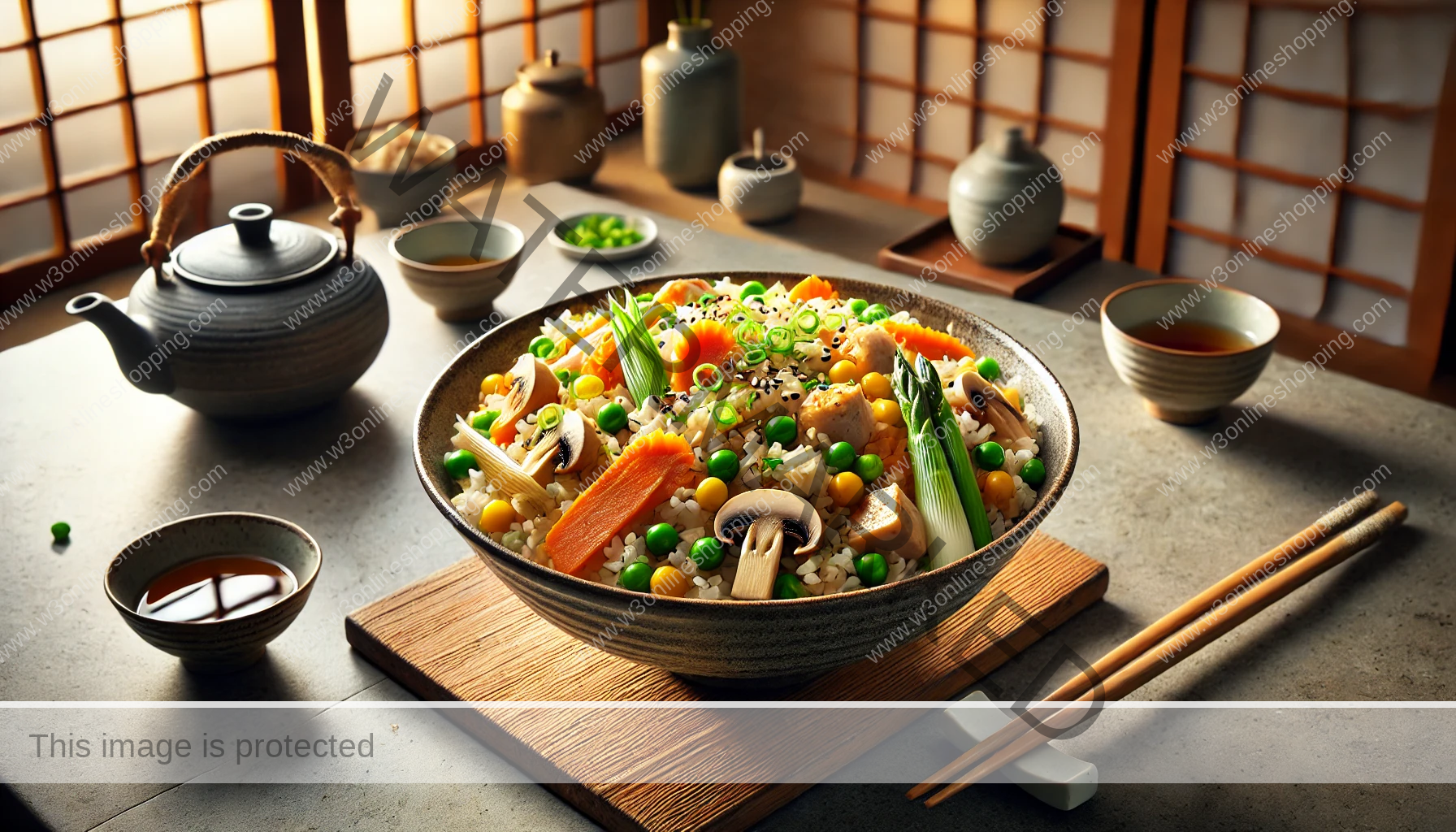
- Takikomi Gohan is a flavorful Japanese rice dish cooked with a mixture of vegetables, meat, and aromatic seasonings. It’s a perfect example of how rice can be transformed into a hearty meal.
Ingredients:
- 2 cups short-grain rice
- 2 cups dashi (Japanese soup stock) or water
- 2 tablespoons soy sauce
- 2 tablespoons mirin (sweet rice wine)
- 2 tablespoons sake
- 1/2 teaspoon salt
- Assorted vegetables (carrots, shiitake mushrooms, bamboo shoots), finely chopped
- Protein options (chicken, salmon, tofu), cubed or thinly sliced
- Garnish with chopped scallions or sesame seeds
Directions:
- Prepare Rice: Wash the rice until the water runs clear, then drain and set aside.
- Marinate: In a bowl, combine soy sauce, mirin, sake, and salt. Add the chopped vegetables and protein to the marinade. Let sit for about 15 minutes.
- Cook: Place the rice in a rice cooker. Add the dashi or water, then the marinated mixture on top. Do not stir. Cook according to the rice cooker’s instructions.
- Fluff and Serve: Once cooked, gently fluff the rice and mix the ingredients evenly. Serve hot, garnished with scallions or sesame seeds.
Kuri Gohan (Chestnut Rice)
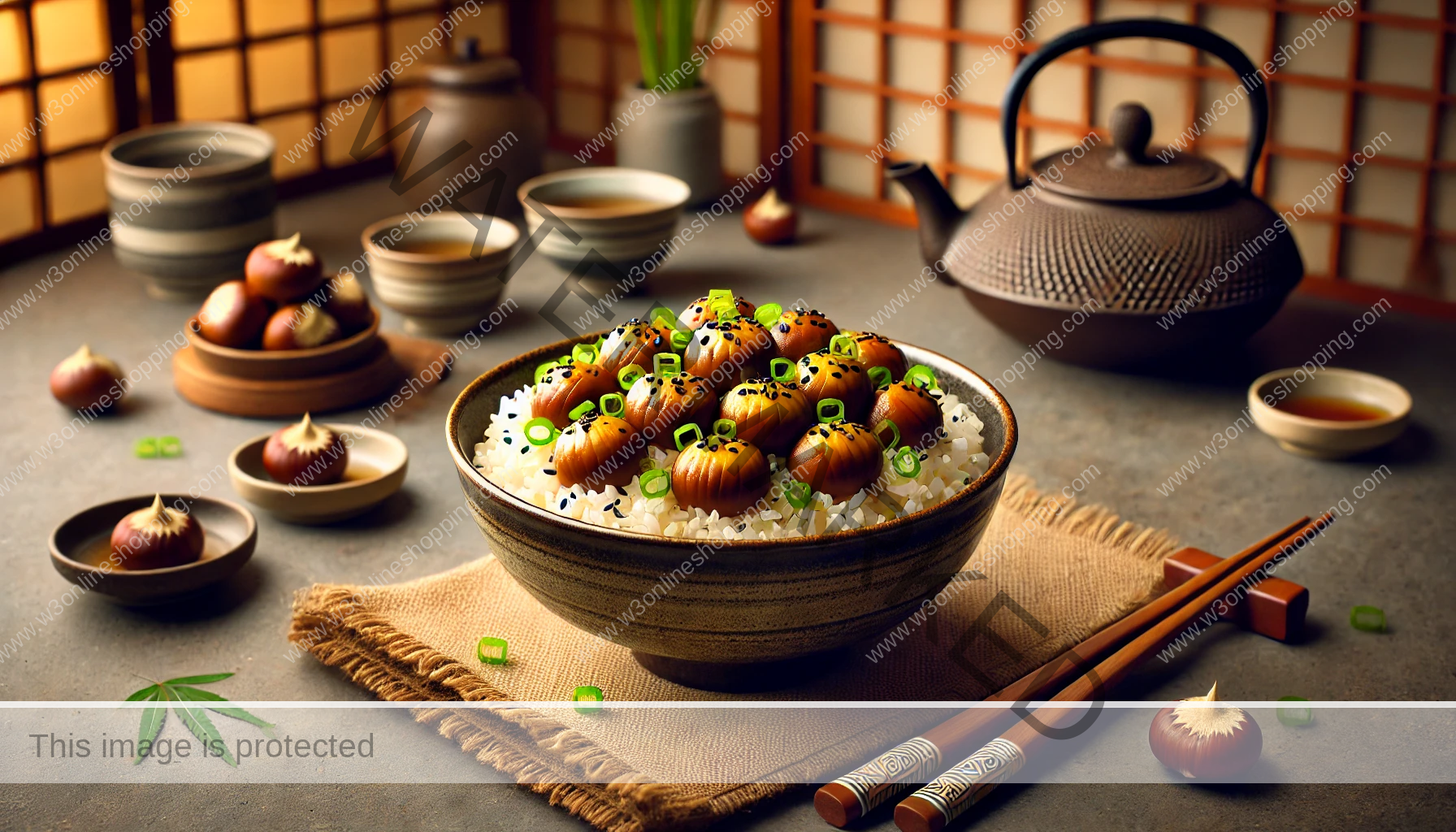
- Kuri Gohan is a seasonal Japanese dish typically enjoyed in the autumn. It features chestnuts, which are revered for their sweet, nutty flavor.
Ingredients:
- 2 cups short-grain rice
- 2 cups water
- 200 grams chestnuts, peeled
- 1 tablespoon sake
- 1 teaspoon salt
- 1 strip of kombu (dried kelp, about 5 cm long)
Directions:
- Prepare Chestnuts: Score the chestnuts with an X on the flat side and boil for about 2 minutes. Peel while still warm.
- Prepare Rice: Wash the rice thoroughly and then soak in water for 30 minutes. Drain well.
- Cook: Place the rice in a rice cooker. Add fresh water, sake, and salt. Place the kombu on top and scatter the peeled chestnuts over the rice.
- Start the Rice Cooker: Cook the rice as per the cooker’s instructions. Once done, let it sit for about 10 minutes.
- Serve: Remove the kombu and gently fluff the rice. Serve warm, allowing the sweet and earthy flavor of the chestnuts to shine through.
Serving Suggestions:
- Takikomi Gohan is often served with pickles (tsukemono) and miso soup, making a complete meal.
- Kuri Gohan pairs well with grilled fish or a simple vegetable side dish, highlighting the chestnut’s unique flavor.
These traditional dishes provide a comforting and satisfying way to enjoy rice with the rich flavors and textures of various ingredients.
Seasonal Specialties
Japanese cuisine celebrates the seasons with various dishes that highlight seasonal ingredients. Sakura Gohan (Cherry Blossom Rice) and Matsutake Gohan (Pine Mushroom Rice) are two such traditional rice dishes that embody the essence of spring and autumn respectively.
Sakura Gohan (Cherry Blossom Rice)
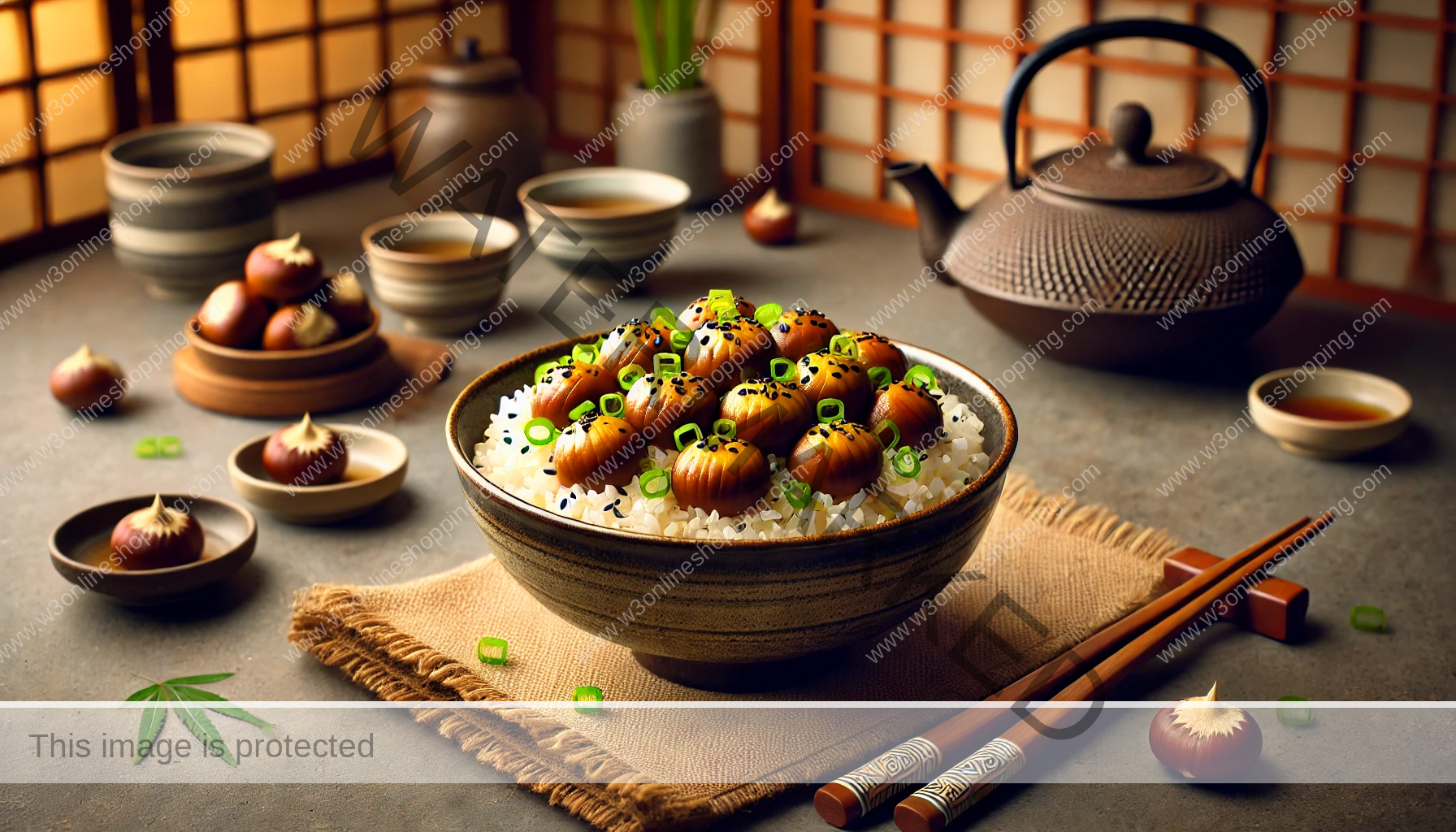
- Sakura Gohan is a festive springtime dish made with rice and seasoned with salt-preserved cherry blossoms, bringing a subtle floral aroma and a hint of pink color that celebrates the cherry blossom season.
Ingredients:
- 2 cups short-grain rice
- 2 1/4 cups water
- 15-20 salt-preserved sakura (cherry blossoms), plus extra for garnish
- 1 tablespoon sakura leaf (optional, for enhanced flavor)
- Salt to taste
Directions:
Preparation:
- Rinse the rice until the water runs clear, then drain and soak in water for 30 minutes. After soaking, drain well.
- Rinse the salt-preserved cherry blossoms to remove some salt and soak in warm water for about 5 minutes to soften. Drain and set aside.
Cooking:
- Place the rice in a rice cooker and add the appropriate amount of water.
- Sprinkle the softened cherry blossoms (and sakura leaves, if using) over the top. Do not stir.
- Cook the rice as per the rice cooker’s instructions.
Finishing:
- Once cooked, let the rice sit for about 10 minutes, then gently fluff it and mix in the cherry blossoms evenly.
- Serve garnished with additional cherry blossoms on top for a beautiful presentation.
Matsutake Gohan (Pine Mushroom Rice)
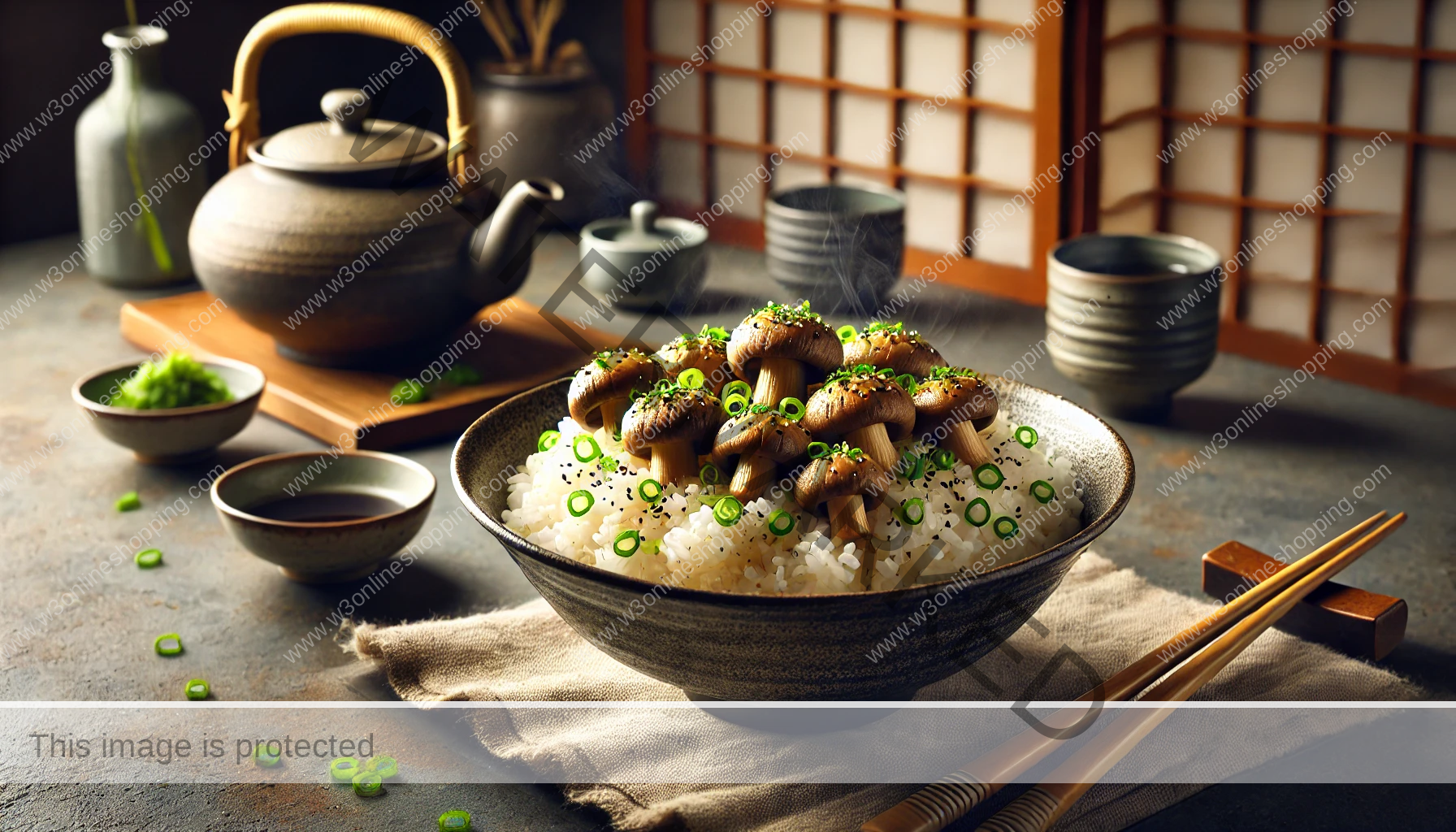
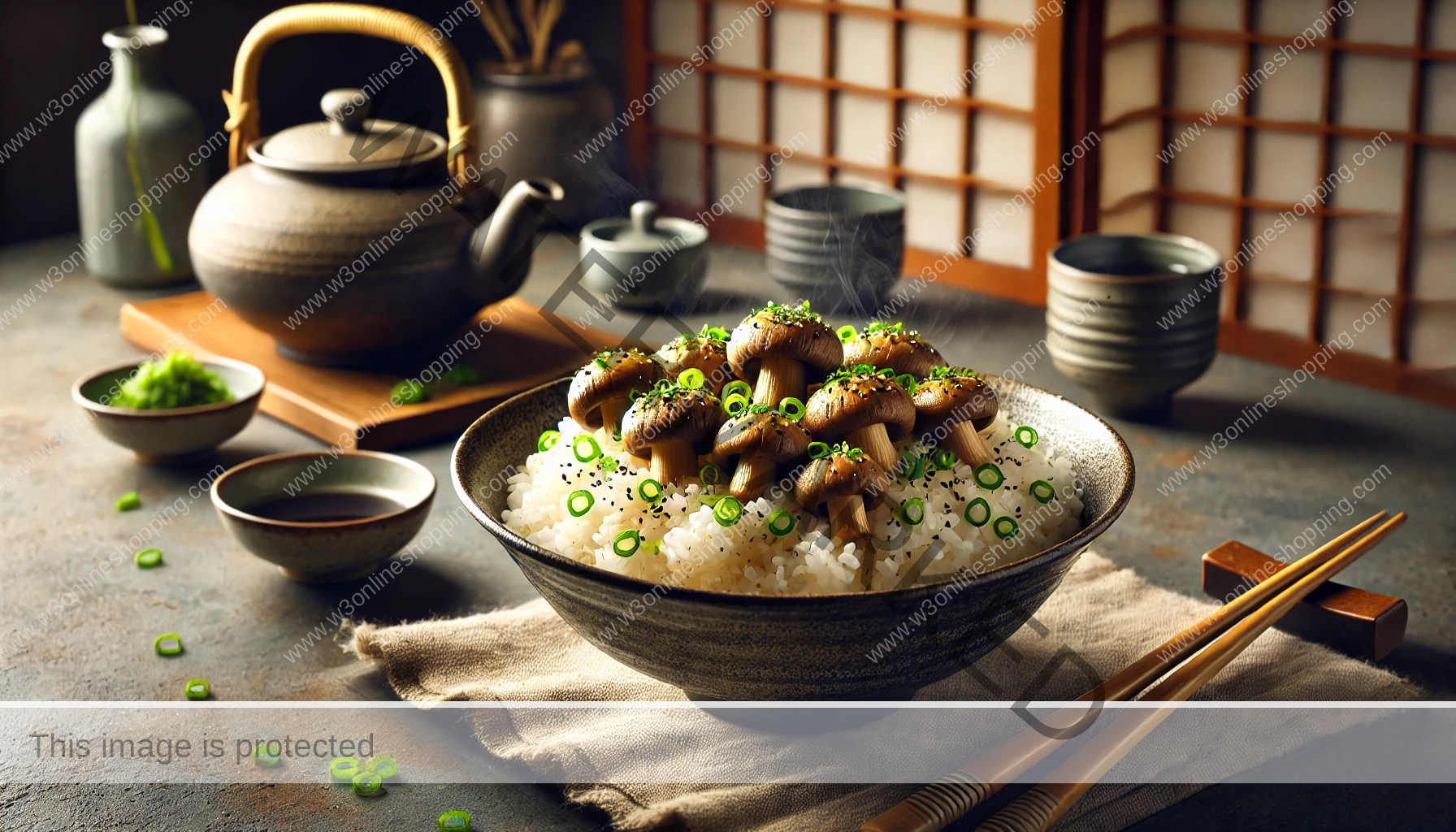
- Matsutake Gohan is a luxurious autumn dish featuring matsutake mushrooms, highly prized in Japanese cuisine for their distinctive aroma and flavor that is thought to capture the essence of the forest.
Ingredients:
- 2 cups short-grain rice
- 2 cups dashi (Japanese soup stock)
- 200 grams matsutake mushrooms, thinly sliced
- 2 tablespoons soy sauce
- 1 tablespoon mirin
- 1 tablespoon sake
- Pinch of salt
Directions:
Preparation:
- Clean the matsutake mushrooms gently with a damp cloth and slice them thinly.
- Rinse the rice until the water runs clear, soak for 30 minutes, then drain well.
Cooking:
- Combine dashi, soy sauce, mirin, sake, and salt in the rice cooker. Add the drained rice and lay the sliced mushrooms on top.
- Cook according to the rice cooker’s instructions. Do not stir until the rice has finished cooking.
Finishing:
- Once the cooking cycle is complete, let the rice sit for 10 minutes.
- Gently fluff the rice and mix the mushrooms evenly through the rice.
- Serve immediately, enjoying the fragrant aroma of the matsutake mushrooms.
Serving Suggestions:
- Sakura Gohan is often part of hanami (flower viewing) picnics and can be enjoyed with other seasonal treats like sakura mochi.
- Matsutake Gohan is typically served as a luxury dish that lets the flavor of the mushrooms shine, often accompanied by simple grilled fish or a side of pickled vegetables.
Both dishes not only provide a taste of their respective seasons but also bring a cultural and aesthetic appreciation to the dining experience, making them much more than just meals.
Festival and Celebration Recipes
In Japan, festivals and celebrations are often marked by special dishes that carry cultural significance and are crafted to complement the occasion. Two popular dishes for such events are Sekihan (Red Bean Rice) and Chirashi Sushi. Both are colorful, festive, and steeped in tradition.
Sekihan (Red Bean Rice)
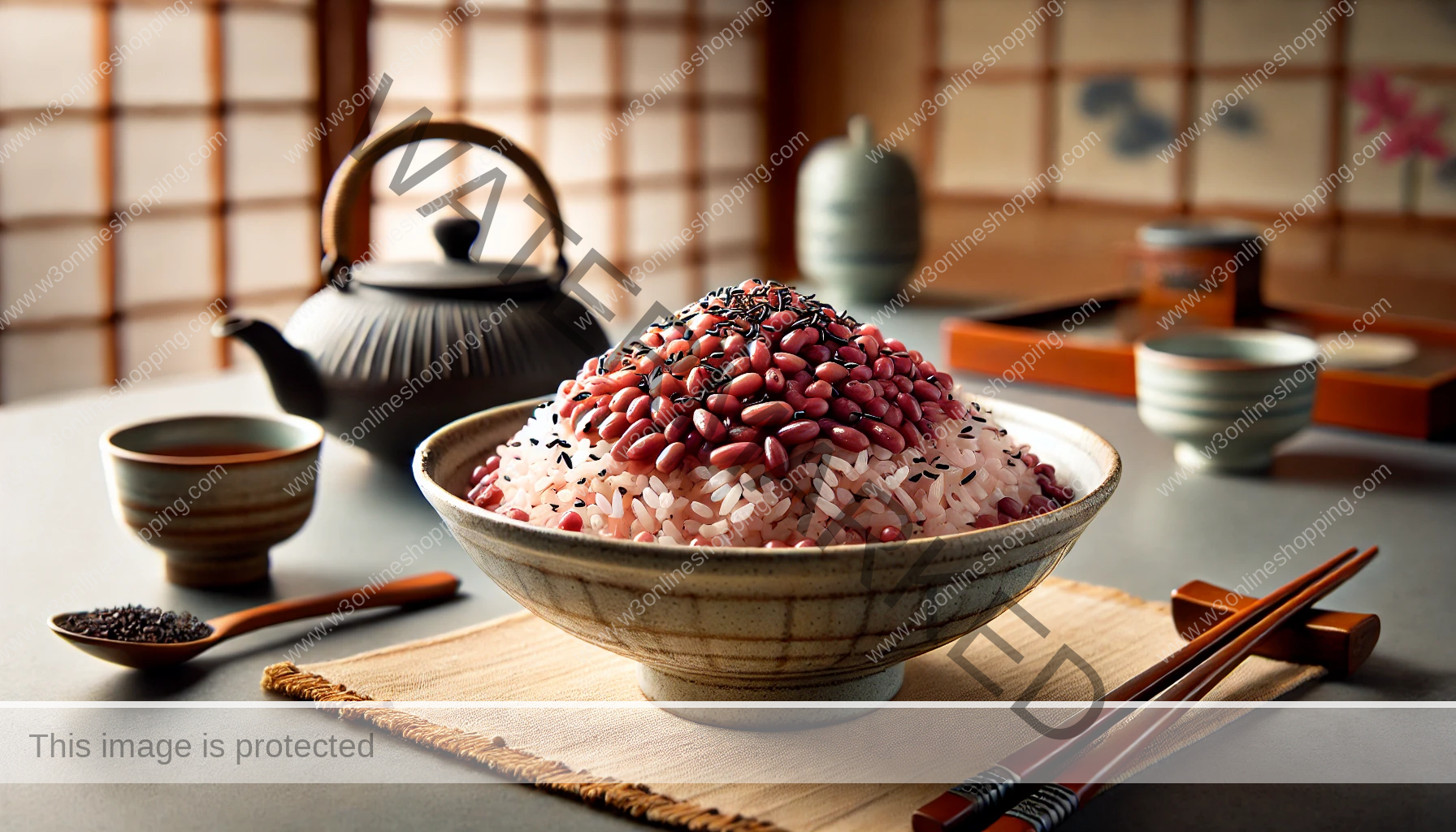
- Sekihan is commonly served during celebratory events such as birthdays, weddings, and holidays. It’s made with glutinous rice and adzuki beans, giving the rice a distinctive red color that symbolizes good fortune and happiness.
Ingredients:
- 2 cups glutinous rice (also known as “mochi rice” or “sweet rice”)
- 1/2 cup adzuki beans
- 3 cups water
- 1 teaspoon salt
- Black sesame seeds and salt for garnish
Directions:
Prepare Beans:
- Rinse the adzuki beans and boil them until they are just beginning to burst but are not fully cooked. This usually takes about 30 minutes. Drain and set aside.
Prepare Rice:
- Wash the glutinous rice until the water runs clear. Soak the rice in water for at least 1 hour, then drain.
Cooking:
- Combine the drained rice, pre-cooked adzuki beans, salt, and water in a rice cooker. Cook according to the rice cooker’s settings for glutinous rice.
Finishing:
- Once cooked, let the rice stand in the cooker for about 15 minutes before stirring. This helps to set the texture and mix the beans evenly through the rice.
- Serve the sekihan sprinkled with black sesame seeds and a small pinch of salt.
Chirashi Sushi
- Chirashi Sushi, or “scattered sushi,” is a colorful dish served on festive occasions like Hinamatsuri (Girl’s Day). It consists of sushi rice topped with a variety of ingredients such as fresh fish, vegetables, and garnishes.
Ingredients:
- 2 cups sushi rice
- 2 1/4 cups water
- 1/4 cup rice vinegar
- 2 tablespoons sugar
- 1/2 teaspoon salt
- Assorted toppings: sashimi slices (salmon, tuna), shredded omelet, cucumber, avocado, nori strips, wasabi, and pickled ginger
Directions:
Prepare Sushi Rice:
- Rinse the sushi rice until the water runs clear, then drain. Cook the rice in a rice cooker with the specified amount of water.
- Once the rice is cooked, let it cool slightly. Prepare sushi vinegar by mixing rice vinegar, sugar, and salt until dissolved.
- Gently fold the sushi vinegar into the cooked rice using a wooden spatula. Fan the rice while mixing to help it cool and give it a glossy finish.
Assemble Chirashi Sushi:
- Spread the seasoned sushi rice in a large, flat serving dish.
- Artfully arrange the sliced fish, shredded omelet, cucumber, avocado, and other toppings over the rice.
- Garnish with strips of nori, wasabi, and pickled ginger.
Serving Suggestions:
- Sekihan is traditionally served with gomashio (a mixture of salt and sesame seeds) and sometimes pickles.
- Chirashi Sushi can be served with miso soup and green tea to complete a festive meal.
These dishes not only enrich the dining experience during special events but also embody the aesthetic and flavor profiles typical of Japanese celebratory cuisine.
Modern Twists on Classic Dishes
Japanese cuisine, while steeped in tradition, also adapts beautifully to contemporary tastes and ingredients. Two classic dishes that have seen various modern reinterpretations are Curry Rice and Teriyaki Chicken Rice. These dishes are beloved for their rich flavors and ease of preparation, making them perfect for adding modern twists that cater to a global palate.
Modern Curry Rice
- Curry Rice, or kare raisu, is a staple in Japanese home cooking. Originally introduced by the British during the Meiji era, it has evolved into a distinctly Japanese dish with milder and sweeter tones compared to its Indian counterpart.
Ingredients for a Modern Twist:
- 1 pound chicken thighs, cut into bite-sized pieces
- 2 tablespoons olive oil
- 1 large onion, sliced
- 2 carrots, diced
- 1 sweet potato, diced
- 1 apple, grated (to add natural sweetness)
- 3 cups chicken broth
- 1 box Japanese curry roux (100 grams)
- 1 tablespoon honey
- 1 tablespoon soy sauce
- 1 teaspoon curry powder (for added depth)
- 1 cup coconut milk (for creaminess)
- Steamed rice, to serve
Directions:
Sauté Vegetables and Chicken:
- Heat the olive oil in a large pot. Add the onions, carrots, and sweet potatoes, sautéing until they start to soften.
- Add the chicken and cook until browned.
Add Liquids and Simmer:
- Pour in the chicken broth and bring to a boil. Reduce heat to a simmer.
- Add the grated apple, honey, soy sauce, and curry powder. Stir until well combined.
- Break the curry roux into pieces and add to the pot, stirring until dissolved.
Finish with Coconut Milk:
- Stir in the coconut milk and simmer for an additional 10 minutes, or until everything is tender and the curry has thickened.
- Taste and adjust seasoning as needed.
Serve:
- Serve the curry over steamed rice with a garnish of pickled radishes or a sprinkle of sesame seeds for a modern twist.
Modern Teriyaki Chicken Rice
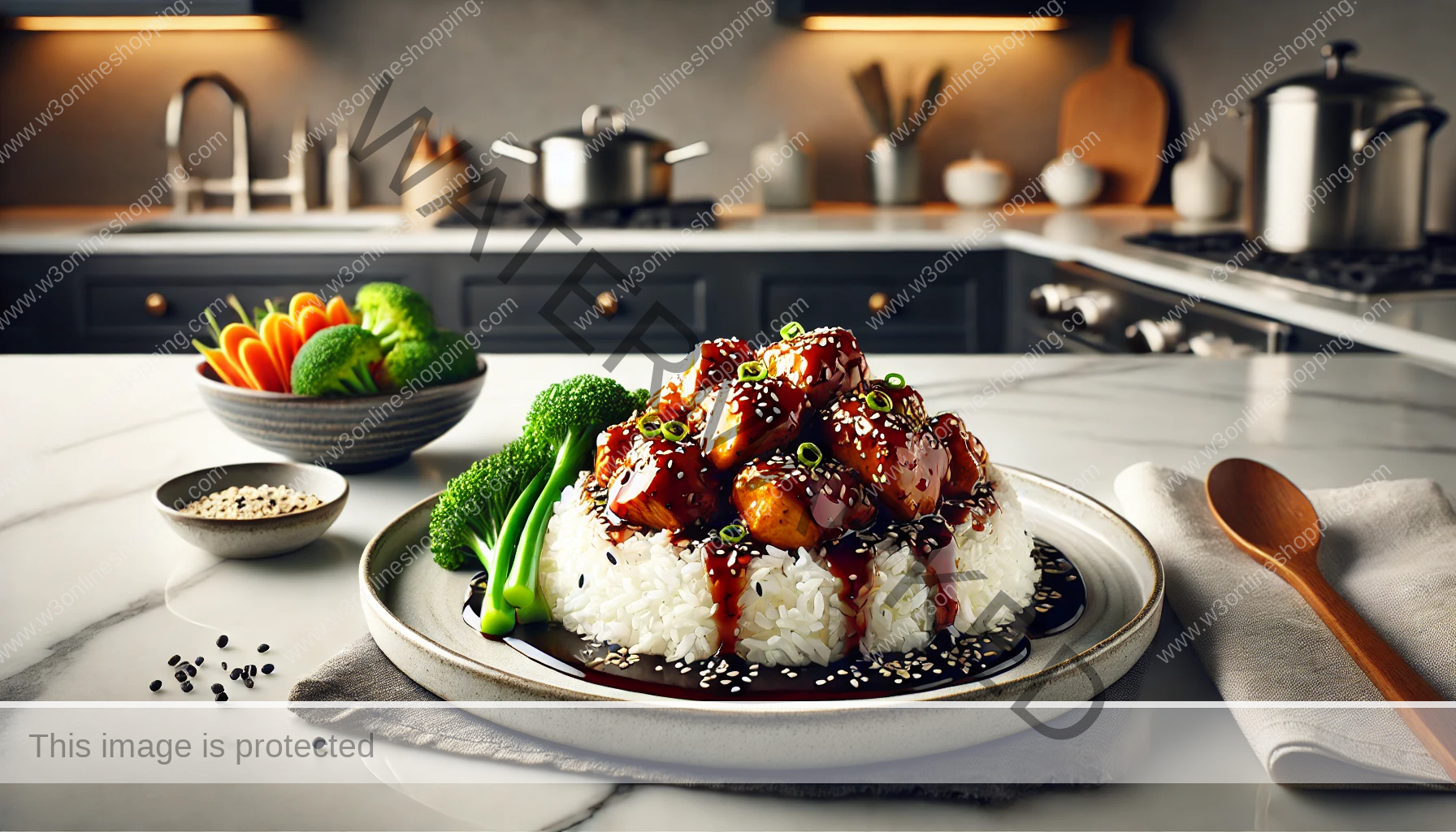
- Teriyaki Chicken Rice combines the sweet and savory elements of teriyaki sauce with tender chicken, usually served over a bed of rice. Modern versions play with additional flavors and presentation styles.
Ingredients for a Modern Twist:
- 1 pound boneless chicken breast, cut into strips
- 2 tablespoons vegetable oil
- Salt and pepper to taste
- 1/4 cup soy sauce
- 1/4 cup mirin (sweet rice wine)
- 2 tablespoons honey or maple syrup
- 1 clove garlic, minced
- 1 teaspoon grated ginger
- 1 tablespoon sesame seeds
- 1/2 teaspoon chili flakes (for heat)
- Green onions and sesame seeds for garnish
- Steamed rice, to serve
Directions:
Prepare Teriyaki Sauce:
- In a small bowl, mix soy sauce, mirin, honey, garlic, ginger, sesame seeds, and chili flakes. Set aside.
Cook Chicken:
- Season the chicken strips with salt and pepper. Heat oil in a skillet over medium heat and add chicken. Cook until golden brown.
- Pour the teriyaki sauce mixture over the chicken and reduce the heat. Simmer until the sauce thickens and the chicken is well-coated.
Serve:
- Serve the teriyaki chicken over a bed of steamed rice, garnished with sliced green onions and additional sesame seeds for a modern aesthetic.
Serving Suggestions:
- Modern Curry Rice pairs well with a crisp salad or pickled vegetables to cut through the richness of the curry.
- Modern Teriyaki Chicken Rice can be complemented with a side of steamed vegetables or a simple cucumber salad for freshness.
These modern twists on classic Japanese dishes allow for a creative exploration of flavors and ingredients while still honoring the essence of the original recipes.
Side Dishes and Extras
Miso Soup Using a Rice Cooker
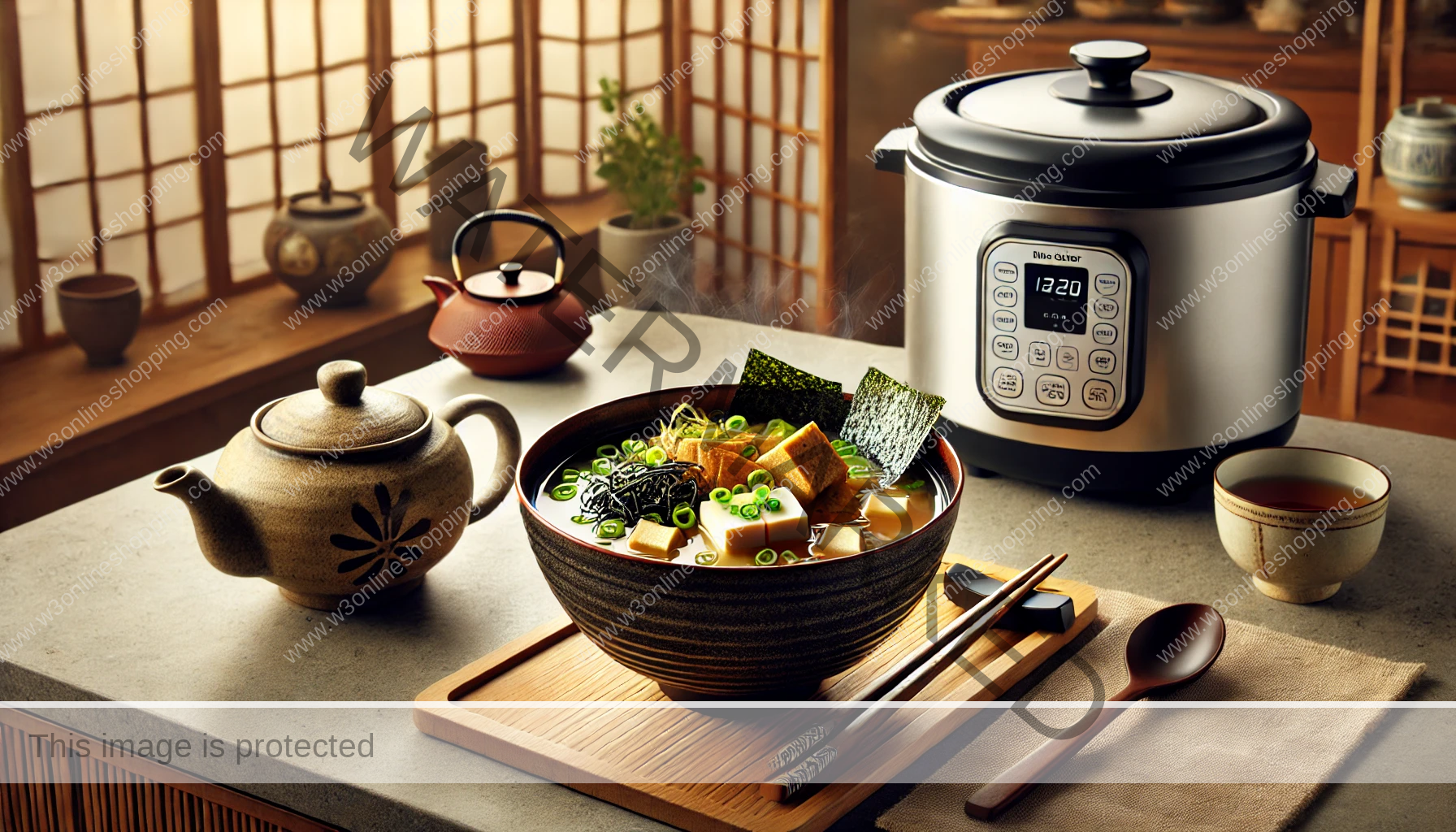
Using a rice cooker to make miso soup is a convenient way to streamline your cooking process, especially when you’re also using it to cook rice. Here’s how to make a simple and delicious miso soup in your rice cooker.
Ingredients:
- 4 cups water
- 2-3 tablespoons miso paste (adjust to taste)
- 1/2 cup tofu, cubed
- 1/4 cup wakame seaweed, rehydrated
- 2 green onions, chopped
- Optional: Dashi granules for extra flavor
Directions:
Prepare Ingredients:
- Start by rehydrating the wakame in a small bowl of water for about 5 minutes, then drain.
- Chop the green onions and cube the tofu.
Heat the Water:
- Pour water into the rice cooker and set it to the “Keep Warm” setting. If your rice cooker has a specific soup or stew setting, you can use that instead.
Add Ingredients:
- Once the water is hot (not boiling), add the tofu and wakame. If you’re using dashi granules, add them at this stage.
Dissolve the Miso:
- Take a ladleful of the hot water from the rice cooker and use it to dissolve the miso paste in a separate bowl. This prevents clumping and ensures even distribution of the miso in the soup.
- Pour the dissolved miso back into the rice cooker and stir gently. Make sure not to boil the soup after adding miso, as high heat can destroy some of its flavors and health benefits.
Finish and Serve:
- Add the chopped green onions just before serving.
- Serve warm as a side dish with any meal.
Steamed Vegetables in a Rice Cooker
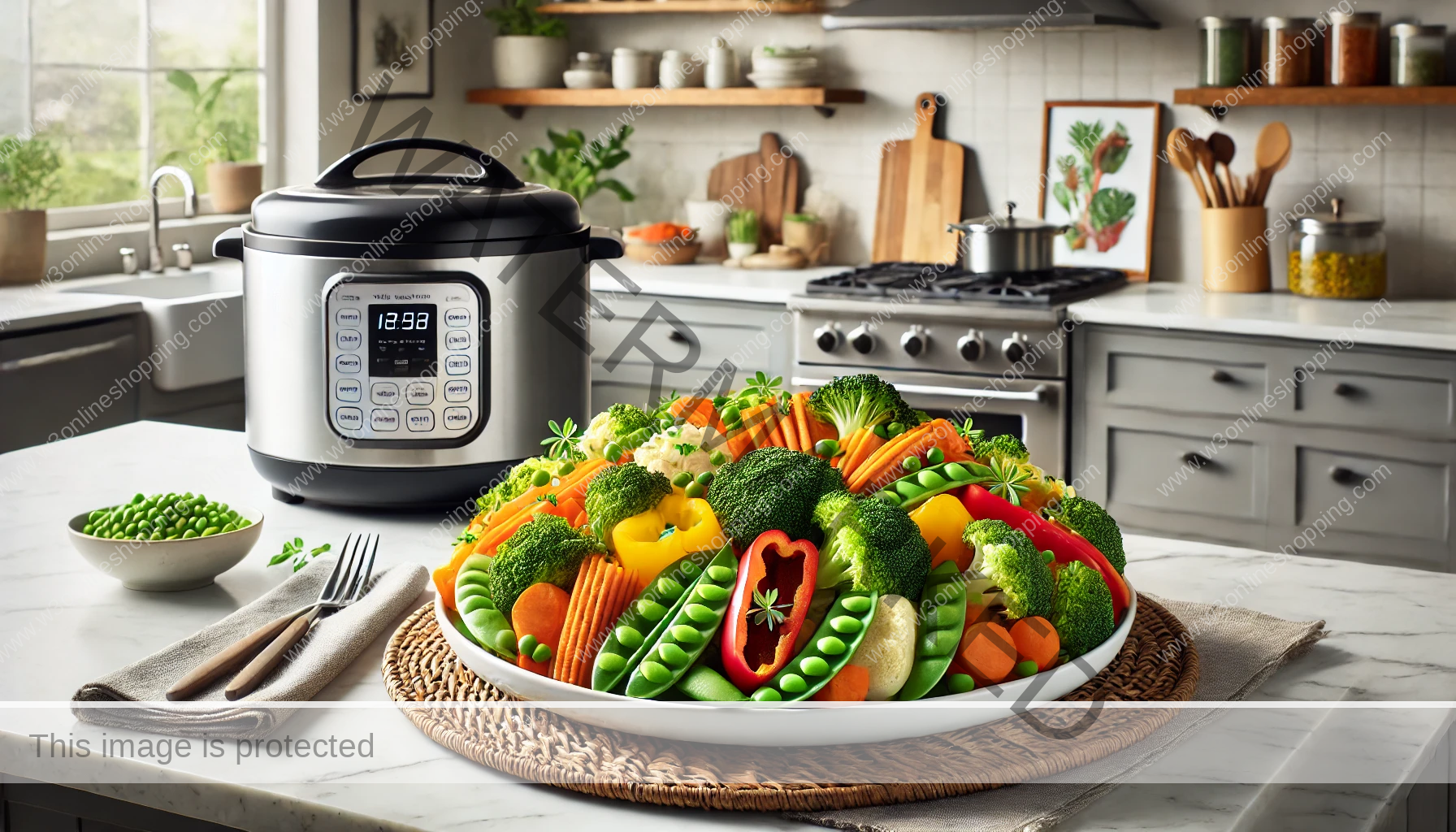
Steaming vegetables in a rice cooker is another great way to use this versatile appliance. It’s a healthy, simple method that preserves the flavor and nutrients of the vegetables.
Ingredients:
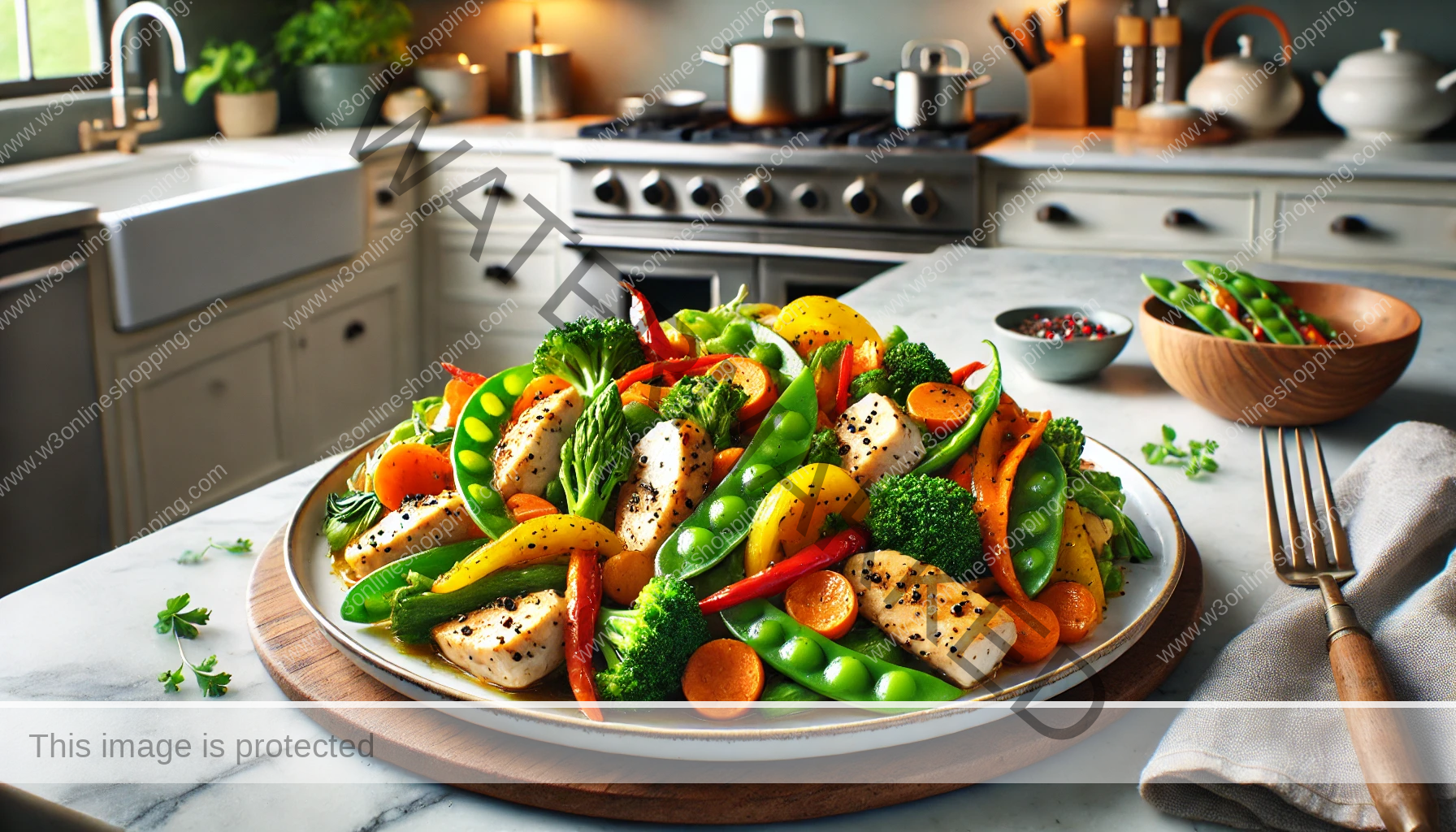
- Assorted vegetables (e.g., broccoli, carrots, bell peppers, and snap peas)
- Salt and pepper to taste
- Optional: Lemon juice or herbs for seasoning
Directions:
Prepare Vegetables:
- Wash and chop the vegetables into uniform sizes to ensure even cooking.
Use the Steaming Basket:
- If your rice cooker comes with a steaming basket, fill the main pot with about 1-2 inches of water, place the steaming basket above the water, and add the vegetables.
- If there is no steaming basket, you can place the vegetables directly in a small amount of water, but this method is more like boiling than steaming.
Cooking:
- Close the lid and set your rice cooker to the cooking setting. Most vegetables will steam in about 15-20 minutes depending on the type and size of the pieces.
Seasoning:
- Once the vegetables are tender, remove them from the rice cooker.
- Season with salt, pepper, a squeeze of lemon, or a sprinkle of fresh herbs to enhance their natural flavors.
Serve:
- Serve the steamed vegetables as a side dish with any main course. They pair particularly well with both light dishes like fish and hearty dishes like grilled meats.
Using a rice cooker for preparing both miso soup and steamed vegetables not only saves time and space but also simplifies the cooking process, making it easier to enjoy healthy, home-cooked meals.
Desserts and Sweets
Japanese cuisine includes a variety of desserts and sweets that use rice as a primary ingredient. Rice flour pancakes and sweet rice pudding are two delightful examples that offer a comforting and satisfying end to any meal. Here’s how to make each:
Rice Flour Pancakes

- These pancakes are gluten-free, light, and fluffy, making them a delightful alternative to traditional pancakes.
Ingredients:
- 1 cup rice flour
- 1 teaspoon baking powder
- 1/4 teaspoon salt
- 2 tablespoons sugar
- 1 egg
- 1 cup milk (dairy or plant-based)
- 2 tablespoons melted butter or oil
- Optional: Vanilla extract for added flavor
Directions:
Mix Dry Ingredients:
- In a large bowl, whisk together rice flour, baking powder, salt, and sugar.
Add Wet Ingredients:
- In another bowl, beat the egg with milk and melted butter. Add vanilla extract if using.
- Gradually add the wet mixture to the dry ingredients, stirring until just combined. The batter should be slightly lumpy.
Cook the Pancakes:
- Heat a non-stick skillet or griddle over medium heat and lightly grease it with oil or butter.
- Pour about 1/4 cup of batter for each pancake onto the skillet. Cook until bubbles form on the surface and the edges look set, about 2-3 minutes.
- Flip the pancakes and cook for another 1-2 minutes until golden and cooked through.
Serve:
- Serve the pancakes hot with your choice of toppings such as maple syrup, fresh fruits, or a dollop of whipped cream.
Sweet Rice Pudding
- This rice pudding is a creamy, comforting dessert typically flavored with vanilla, cinnamon, or cardamom, and often garnished with raisins or nuts.
Ingredients:
- 1/2 cup short-grain rice or sweet rice
- 4 cups milk (dairy or a rich plant-based alternative like coconut milk)
- 1/3 cup sugar
- Pinch of salt
- 1 cinnamon stick or 1/2 teaspoon ground cinnamon
- Optional: Raisins, nuts, or a splash of vanilla extract for additional flavor
Directions:
Cook Rice:
- Rinse the rice under cold water until the water runs clear.
- In a large, heavy-bottomed saucepan, combine rice, milk, sugar, salt, and cinnamon stick. Bring to a boil over medium-high heat, then reduce to a simmer.
Simmer:
- Stir frequently to prevent the rice from sticking to the bottom of the pan. Simmer until the rice is tender and the mixture has thickened to a creamy consistency, about 25-30 minutes.
Finish:
- Remove from heat. Remove the cinnamon stick if used, and add vanilla extract, raisins, or nuts if desired. Stir well to combine.
Serve:
- Serve warm or chilled, depending on preference. The pudding thickens as it cools, which can be particularly comforting when served warm.
Both desserts showcase the versatility of rice in creating different textures and flavors. Rice flour pancakes offer a delightful breakfast or brunch option, while sweet rice pudding makes for a soothing and traditional dessert, perfect for rounding off any meal.
Care and Maintenance Tips
Caring for your rice cooker not only ensures it performs at its best but also extends its lifespan, making it a reliable kitchen tool for years. Here’s a comprehensive guide on how to clean your rice cooker and maintain it to maximize its lifespan:
Cleaning Your Rice Cooker
- Frequency: Clean your rice cooker after every use to prevent residue from hardening and to avoid unpleasant odors or potential mold growth.
Steps:
Unplug and Cool Down:
- Always unplug the rice cooker and allow it to cool completely before cleaning. This is important for safety and to prevent damage to the cooker’s components.
Remove and Wash Removable Parts:
- Take out the inner pot, rice paddle, and any other removable parts. These are usually dishwasher safe, but check your manufacturer’s instructions to be sure.
- Wash these parts in warm, soapy water using a soft sponge or cloth. Avoid using abrasive scrubbers, which can scratch surfaces and remove non-stick coatings.
Clean the Interior of the Cooker:
- Wipe the interior of the rice cooker with a damp cloth. If there are stubborn stains or bits of rice, use a mild detergent and gently scrub them away.
- Be careful not to let water seep into the cooker’s electrical elements.
Wipe the Exterior:
- Clean the exterior and the lid with a soft, damp cloth. If the outer surface is stainless steel, you might use a special cleaner to maintain its shine.
Dry Thoroughly:
- Make sure all parts are completely dry before reassembling and storing the rice cooker. Moisture can lead to rust or mold.
- Maximizing Your Rice Cooker’s Lifespan
Follow Manufacturer’s Instructions:
- Always use the rice cooker according to the manufacturer’s guidelines. This includes adhering to the recommended capacities and settings.
Use Correct Utensils:
- To prevent scratches and preserve the integrity of the non-stick surface (if applicable), use wooden or plastic utensils instead of metal ones when stirring or serving rice.
Regular Maintenance:
- Periodically check the sealing gasket on the lid and the steam vent to ensure they are not worn out or obstructed. Replace them if necessary to keep the cooker sealing properly and functioning efficiently.
Store Properly:
- Store your rice cooker in a dry place when not in use. Avoid storing it with the lid tightly closed, as this can trap odors or moisture. Instead, leave the lid slightly ajar or store it separately.
Handle With Care:
- Be careful not to drop or jostle the rice cooker, especially if it has a ceramic or clay pot. Physical shocks can damage internal components and affect the cooker’s performance.
Regular Inspections:
- Inspect the power cord and plug regularly for signs of wear or damage. If you notice fraying, cracks, or any damage, stop using the cooker and have it repaired or replaced.
By following these cleaning and maintenance tips, you can ensure that your rice cooker remains in top condition, providing you with perfectly cooked rice and other dishes for many years.
Frequently Asked Questions (FAQ’s)
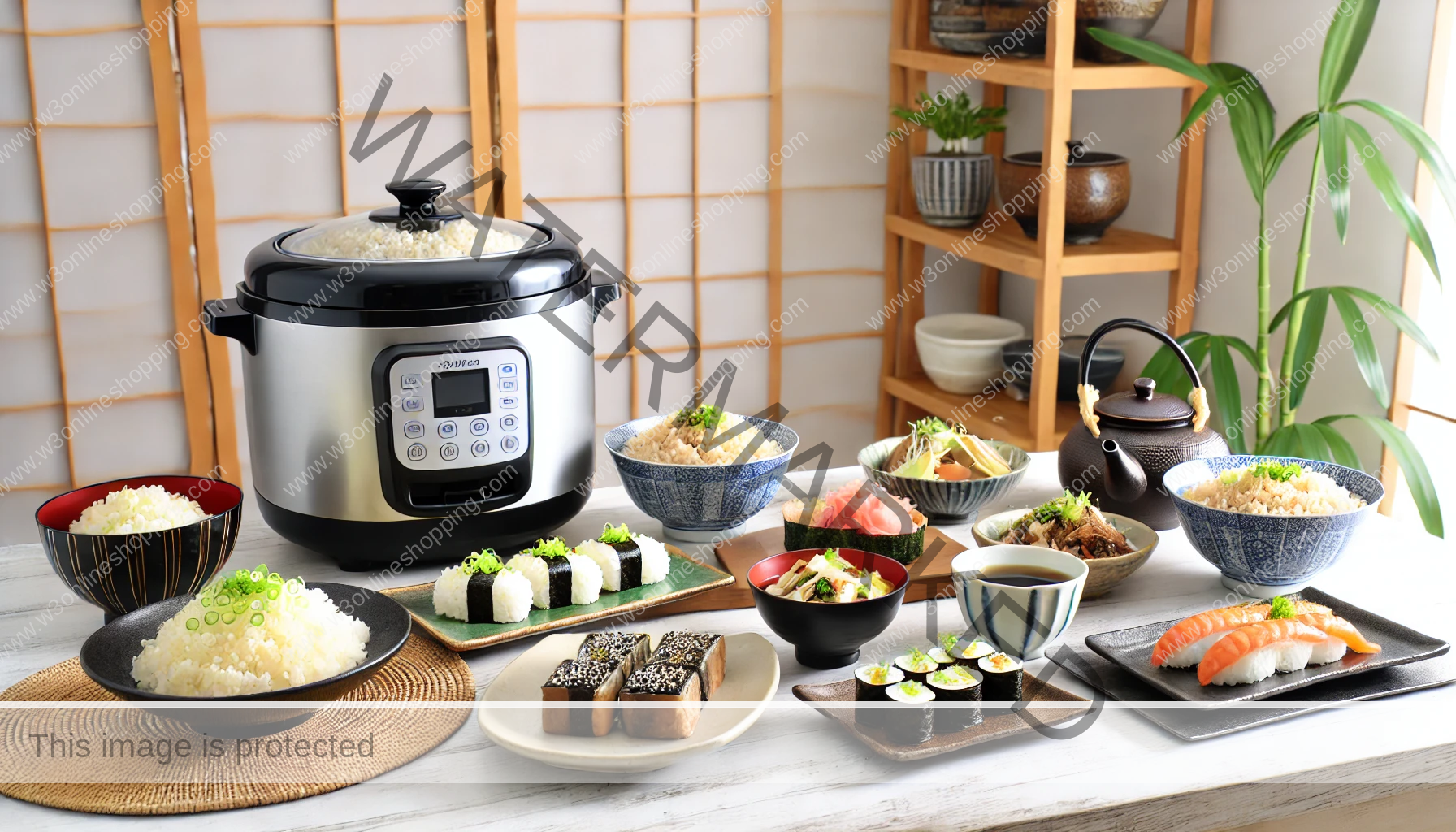
Here are some expert questions and answers that might commonly arise when discussing Japanese rice cooker recipes, encompassing a variety of rice types and additional functionalities of modern rice cookers:
Q1: What are the best types of rice to use in a Japanese rice cooker?
A1: The best types of rice for a Japanese rice cooker are:
Short-grain white rice: This is the standard in Japanese cooking, ideal for sushi and everyday meals.
Medium-grain rice: Also suitable, though it has slightly different cooking properties.
Brown rice: Requires a longer cooking time and usually a different setting on the rice cooker to ensure it cooks thoroughly.
Sushi rice: This is actually a variety of short-grain rice that needs to be seasoned with sushi vinegar after cooking.
Q2: How do I cook perfect sushi rice in a rice cooker?
A2: To cook sushi rice in a rice cooker:
Measure and rinse your rice to remove excess starch.
Add water: The general rule is a 1:1 ratio of rice to water, but it might vary slightly depending on your rice cooker.
Cook using the sushi setting if your cooker has one. If not, use the regular white rice setting.
Season the rice after it’s cooked with a mix of rice vinegar, sugar, and salt, folding it gently to avoid crushing the grains.
Q3: Can I cook other grains in a Japanese rice cooker?
A3: Yes, most Japanese rice cookers are versatile and can cook other grains such as:
Quinoa: Use the white rice setting with a 1:2 quinoa-to-water ratio.
Barley: Use the brown rice setting as barley needs more water and a longer cooking time.
Mixed grains: Many cookers have a specific setting for mixed grains or multigrain modes.
Q4: What additional features do advanced Japanese rice cookers offer for recipe diversity?
A4: Advanced features might include:
Pressure cooking: To cook rice faster while locking in flavor.
Scorch setting: To create a crispy bottom layer, perfect for dishes like Persian Tahdig or Spanish socarrat.
Slow cooking and steaming: Useful for making soups, stews, and steamed vegetables or fish.
Cake setting: Some models even have a setting to bake cakes.
Q5: How can I ensure my rice cooker cooks rice evenly every time?
A5: To ensure even cooking:
Use the correct water-to-rice ratio: This might need slight adjustments based on the specific type of rice.
Rinse the rice thoroughly to remove surface starch that can cause uneven cooking.
Distribute the rice evenly in the cooker before starting it.
Regularly clean and maintain your rice cooker to keep it functioning effectively.
Q6: Are there any tips for making traditional Japanese dishes like Takikomi Gohan in a rice cooker?
A6: For Takikomi Gohan, a flavorful mixed rice:
Prepare ingredients: Dice your vegetables and meats uniformly.
Season well: Use a mixture of soy sauce, sake, mirin, and dashi as the cooking liquid instead of water.
Layer wisely: Place rice in the cooker, pour the seasoning over it, then add your other ingredients on top.
Use the mixed rice setting if your cooker has it to ensure all ingredients are cooked to perfection.
These questions and answers provide a thorough understanding of the capabilities and versatility of Japanese rice cookers, helping anyone get the most out of their device. Whether you’re making simple steamed rice or more complex Japanese dishes, the right techniques and settings are crucial.
Conclusion
Embracing the art of Japanese cooking with a rice cooker not only simplifies meal preparation but also opens up a world of culinary possibilities. From perfect sushi rice to delectable mixed rice dishes like Takikomi Gohan, these recipes showcase the versatility and efficiency of the Japanese rice cooker. As you explore these recipes, you’ll discover how this humble kitchen appliance can elevate your cooking game, making every meal a testament to both tradition and innovation. Whether you’re a seasoned chef or a beginner eager to dive into Japanese cuisine, these Japanese rice cooker recipes will guide you to consistently delicious results, meal after meal.